Hope and Hesitation: Syrian Refugees Contemplate Return After Assad's Fall
Syrian refugees in Turkey are contemplating return after Assad's fall, balancing hope with significant challenges. Personal stories reveal a nuanced journey of potential homecoming amid economic, social, and political uncertainties.
In the bustling streets of Gaziantep, Turkey, a young Syrian named Ahmed embodies the complex emotions of a generation caught between two worlds. Wearing a black T-shirt emblazoned with "Syria", the 18-year-old represents a growing sentiment among Syrian refugees: a cautious hope of returning home after years of displacement.
Ahmed's story is part of a larger narrative unfolding since December 2024, when Syria's long-time dictator Bashar al-Assad was ousted. More than half a million Syrians have already left Turkey, marking a significant shift in a community that once numbered 3.5 million at its peak. Turkey, which became a safe haven during the brutal civil war that began in 2011, is now witnessing a potential mass exodus.
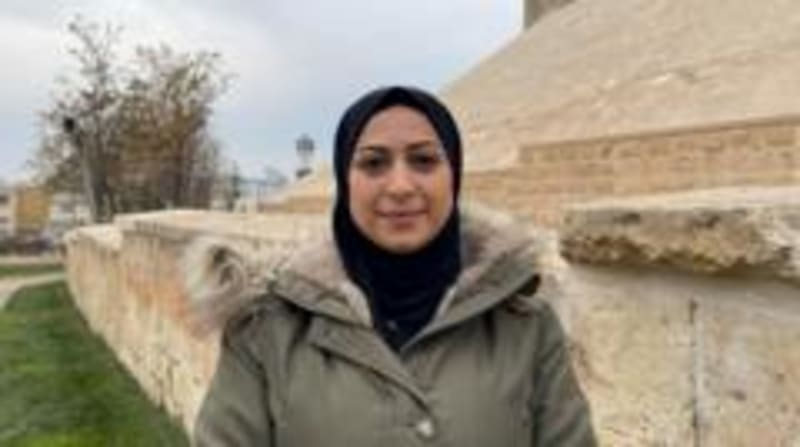
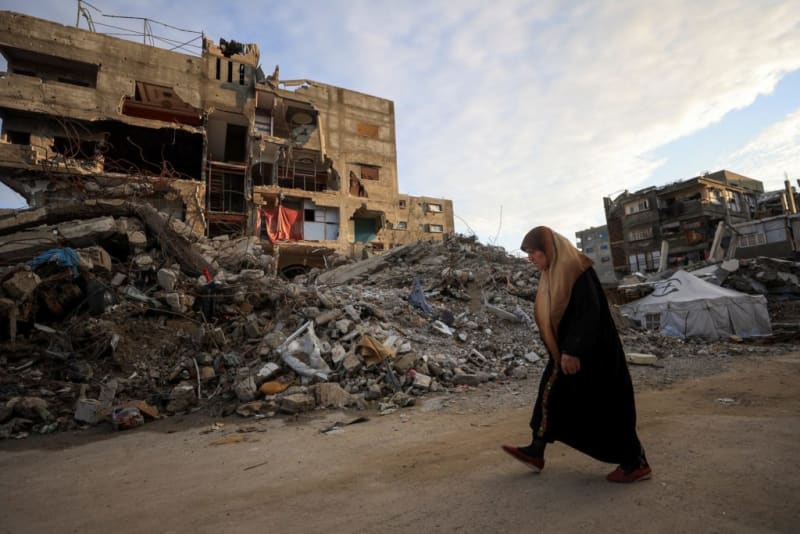
The decision to return is far from straightforward. Aya Mustafa, a 32-year-old Syrian from Aleppo, exemplifies the nuanced considerations facing refugee families. Her family, once professionals in Syria, now work in bakeries and hair salons in Turkey. They discuss returning "every hour", yet recognize profound challenges: children born in Turkey who can't speak Arabic, widespread destruction, and an interim government led by Ahmed Al Sharaa, a former Al Qaeda senior leader.
Some refugees, like the unnamed aid organization leader, remain deeply skeptical. During a candid conversation over tea and baklava, he firmly stated that his family and organization will stay in Turkey. His reasons are pragmatic: ongoing issues with economy, security, education, and healthcare. "The interim government hasn't any experience to deal with the situation," he explained, pointing out that despite calls for patience, one year has passed with little improvement.
Civil society organizations are sensing a shifting political landscape. An anonymous Syrian woman noted that authorities are subtly signaling it's time for refugees to consider returning. "I have good Turkish friends who even ask why I'm still here," she shared. Yet, she advocates for an organized, collective return to prevent potential chaos.
The emotional pull of homeland remains powerful. Ahmed dreams of a Syria "rebuilt like gold", saving money to facilitate his eventual return. Aya, who visited her hometown of Aleppo, found her family home still standing but occupied by others. Despite the challenges, she remains optimistic: "We believe that day will come," she said with a broad smile, acknowledging that rebuilding will take years.
As Syria stands at a potential turning point, these personal stories reveal a complex tapestry of hope, caution, and resilience. The refugees' journey is not just about geographic relocation, but about rebuilding lives, preserving identity, and imagining a future in a homeland transformed by years of conflict.
Based on reporting by BBC World
This story was written by BrightWire based on verified news reports.
More Good News

Start Your Day With Good News
Join 50,000+ readers who wake up to stories that inspire. Delivered fresh every morning.
No spam, ever. Unsubscribe anytime.