Guinea's Democratic Crossroads: Presidential Election Offers Hope Amid Political Transition
Guinea's presidential election marks a pivotal moment in the nation's democratic journey, with junta leader Mamadi Doumbouya poised to secure victory. The poll reflects broader challenges of political transition in West Africa.
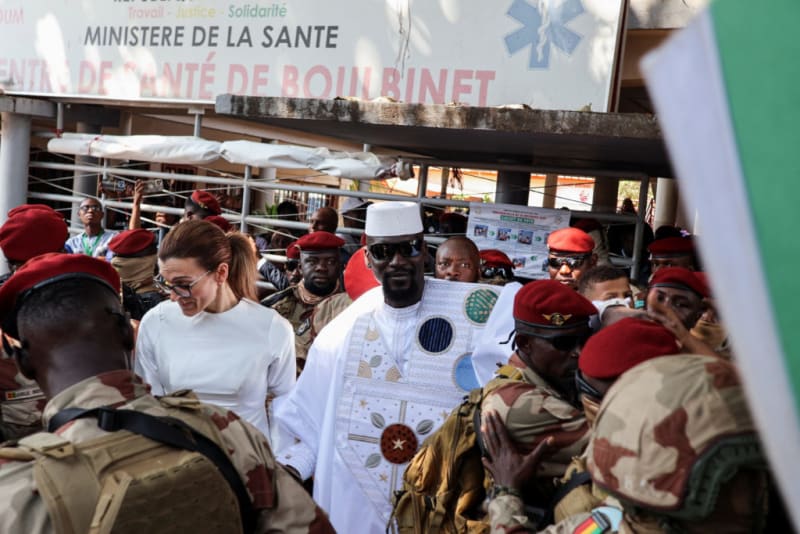
In a pivotal moment for West African democracy, Guinea held its first presidential election since the 2021 military coup, with citizens casting ballots amid cautious optimism about the nation's future. The election, featuring nine candidates, centers on junta leader Gen. Mamadi Doumbouya, who is widely expected to secure victory after leading the overthrow of former President Alpha Condé four years ago.
Voting proceeded smoothly across the country, with polling stations experiencing relatively low turnout as some opposition parties called for a boycott. Eighteen-year-old Idrissa Camara, an unemployed university graduate, expressed hope that the election might improve living conditions, stating, "This vote is the hope of young people, especially for us unemployed. I'm forced to do odd jobs to survive."
The election unfolds under a controversial new constitution, approved in a September referendum, which lifted restrictions on military leaders running for political office and extended presidential terms from five to seven years. Despite Guinea's significant mineral resources—including being the world's largest bauxite exporter—over half of the country's 15 million residents currently face unprecedented levels of poverty and food insecurity.
Political analyst Aboubacar Sidiki Diakité suggested the election represents a critical moment, declaring, "This election will open a new page in Guinea's history and mark the country's return to the league of nations." However, international observers and human rights groups have raised concerns about the electoral process, noting the systematic marginalization of opposition parties and potential limitations on democratic participation.
Security remained tight throughout the election, with nearly 12,000 police officers deployed and checkpoints established across major roads. Authorities reported neutralizing an armed group with "subversive intentions" after gunshots were heard in Conakry's Sonfonia neighborhood, underscoring the complex political landscape.
Doumbouya's primary challenger is Yero Baldé from the Democratic Front of Guinea, a relatively unknown political figure who previously served as education minister under Condé. Notable opposition figures like former Prime Minister Lansana Kouyaté and former government minister Ousmane Kaba were excluded from the ballot on technical grounds, further limiting genuine electoral competition.
This election represents more than just a national poll; it symbolizes Guinea's broader struggle within a regional trend of military interventions. At least ten African nations have experienced military takeovers in recent years, with soldiers frequently citing governance failures and security challenges as justification for their actions. As vote counting begins, with results expected within 48 hours, Guinea stands at a critical democratic crossroads, balancing hopes for stability with concerns about genuine political representation.
Based on reporting by PBS NewsHour
This story was written by BrightWire based on verified news reports.
More Good News
 ✨ Good News
U.S. Military Strikes Strategic Drug Facility, Continuing Efforts Against Regional Trafficking
 ✨ Good News
Silver Market Experiences Dramatic Roller Coaster, Experts Predict Continued Growth
China's Battery Material Crisis: A Global Electric Vehicle Supply Challenge
Start Your Day With Good News
Join 50,000+ readers who wake up to stories that inspire. Delivered fresh every morning.
No spam, ever. Unsubscribe anytime.