Groundbreaking Water Purification Tech Destroys 'Forever Chemicals' with Unprecedented Efficiency
Innovative research delivers a groundbreaking solution to eliminate 'forever chemicals' from water sources with unprecedented speed and sustainability. This collaborative breakthrough promises to revolutionize environmental protection and public health.
A collaborative research breakthrough promises to revolutionize environmental protection by tackling one of the most stubborn pollutants in modern history: PFAS chemicals that have long threatened human health and ecological systems.
University researchers from Rice University in Texas and Korea have developed a game-changing water purification technology that captures and destroys toxic "forever chemicals" with extraordinary speed—more than 1,000 times more effectively than existing methods. This innovative solution represents a critical milestone in addressing global environmental and health challenges posed by these persistent synthetic compounds.
PFAS, first created in the 1940s, have been ubiquitous in consumer products ranging from non-stick cookware to waterproof clothing. Their remarkable resistance to heat, grease, and water made them industry favorites, but that same durability creates significant environmental risks. Current health studies link these chemicals to serious medical conditions including potential liver damage, reproductive disorders, immune system disruption, and certain cancers.
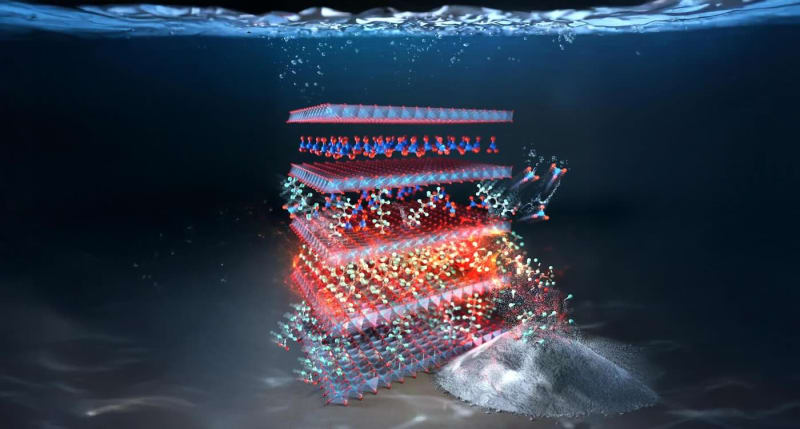
The breakthrough centers on a unique layered double hydroxide (LDH) material composed of copper and aluminum, initially discovered by South Korean Professor Keon-Ham Kim. A pivotal moment came when Rice University student Youngkun Chung discovered that a specific nitrate-based formulation could adsorb PFAS with unprecedented efficiency. "To my astonishment, this LDH compound captured PFAS more than 1,000 times better than other materials," Chung reported, highlighting the material's remarkable performance.
What makes this technology truly revolutionary is its comprehensive approach. Not only can the material rapidly remove PFAS from various water sources—including river water, tap water, and wastewater—but it can also safely destroy the captured chemicals. By heating the saturated material with calcium carbonate, researchers successfully eliminated more than half of the trapped PFAS without generating toxic by-products.
Even more exciting, the LDH material can regenerate itself, completing at least six full cycles of capture, destruction, and renewal. "It's a rare one-two punch against pollution," noted Science Daily, emphasizing the technology's sustainable design. Professor Michael Wong from Rice University, a nanotechnology expert, expressed enthusiasm about the potential transformative impact of this international collaboration.
The research, recently published in Advanced Materials, suggests significant potential for large-scale applications in municipal water treatment and industrial cleanup. By offering a faster, more efficient, and environmentally responsible solution to PFAS contamination, these researchers have opened a promising pathway toward cleaner, safer water systems worldwide.
Based on reporting by Good News Network
This story was written by BrightWire based on verified news reports.
More Good News
 🌍 Planet
Duke Energy Florida Slashes Electricity Bills by 22%, Credits Solar Innovations
 🌍 Planet
Electric Vehicle Market Shifts: Unprecedented Deals Await Buyers This Year-End
 🌍 Planet
T1 Energy Acquires Massive 5-Gigawatt Solar Module Factory from Trina Solar, Marking New Era in US Clean Energy Manufacturing
Start Your Day With Good News
Join 50,000+ readers who wake up to stories that inspire. Delivered fresh every morning.
No spam, ever. Unsubscribe anytime.