Groundbreaking Research Reveals New Hope for Understanding Mental Health Through Tiny Brain Models
Scientists have created mini brain models that can identify schizophrenia and bipolar disorder with over 90% accuracy. This groundbreaking research could revolutionize mental health diagnosis and treatment.
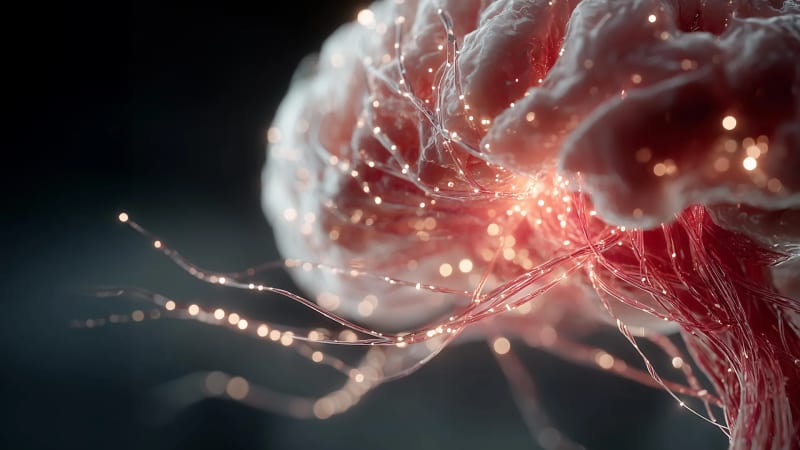
In a remarkable breakthrough, scientists have grown miniature brain models that could revolutionize our understanding of complex mental health conditions like schizophrenia and bipolar disorder. By creating pea-sized brain organoids in laboratory settings, researchers are now able to peek into the intricate neurological differences that have long puzzled medical professionals.
Led by Annie Kathuria from Johns Hopkins University, the innovative study published in APL Bioengineering offers an unprecedented glimpse into how neurons behave differently in psychiatric conditions that affect millions worldwide. Traditional diagnostic methods have relied heavily on clinical judgment and trial-and-error medication approaches, but these tiny brain models promise a more precise path forward.
The research team developed their groundbreaking methodology by transforming blood and skin cells from patients with schizophrenia, bipolar disorder, and healthy individuals into stem cells capable of developing brain-like tissue. Using sophisticated machine learning tools, they analyzed the electrical activity within these miniature brain structures, focusing on the complex communication patterns between neurons.
By carefully examining electrical signals, the scientists discovered remarkable biomarkers that could distinguish between healthy and affected brain tissue with extraordinary accuracy. In their initial tests, they could correctly identify organoids from patients with mental health conditions 83% of the time. When they applied gentle electrical stimulation to enhance neural activity, their accuracy increased to an impressive 92%.
To enhance their research, the team placed these brain organoids on specialized microchips with multi-electrode arrays, creating a grid-like setup similar to a miniature electroencephalogram (EEG). The fully developed organoids, reaching approximately three millimeters in diameter, contained multiple neural cell types typically found in the brain's prefrontal cortex and even produced myelin, the crucial substance that helps electrical signals travel efficiently.
"Our hope is that in the future we can not only confirm a patient is schizophrenic or bipolar from brain organoids but also start testing drugs on these models to find optimal treatment concentrations," Kathuria explained. Her excitement was palpable as she discussed the potential for personalized psychiatric treatments based on these breakthrough findings.
While the current study included samples from just 12 patients, the implications are profound. These miniature brain models could potentially transform how mental health disorders are diagnosed and treated, offering a more precise, scientifically grounded approach to understanding complex neurological conditions that have long remained mysterious.
Based on reporting by Health Daily
This story was written by BrightWire based on verified news reports.
More Good News
 🚀 Innovation
Electrifying Deal: Dodge Charger EV Slashes Prices by Nearly 50%
 🚀 Innovation
CATL's Sodium-Ion Battery Revolution: A Breakthrough in Electric Vehicle Technology
 🚀 Innovation
Home Tech Revolution: 5 Breakthrough Innovations That Are Changing Everyday Living
Start Your Day With Good News
Join 50,000+ readers who wake up to stories that inspire. Delivered fresh every morning.
No spam, ever. Unsubscribe anytime.