Global Economy Navigates Complex Challenges in 2026: Trade, Technology, and Growth in Focus
The global economy in 2026 faces complex challenges of trade tensions, technological rivalry, and strategic economic transformations. Nations are adapting to a landscape marked by careful negotiations and innovative approaches to growth.
As the world enters 2026, the global economic landscape is a tapestry of resilience, tension, and strategic transformation, with nations and leaders carefully balancing growth, trade relations, and technological competition.
The Organization for Economic Cooperation and Development (OECD) projects a moderate slowdown in global growth, anticipating a decline from 3.2% in 2025 to 2.9% in 2026, reflecting a nuanced economic environment that remains both fragile and adaptable.
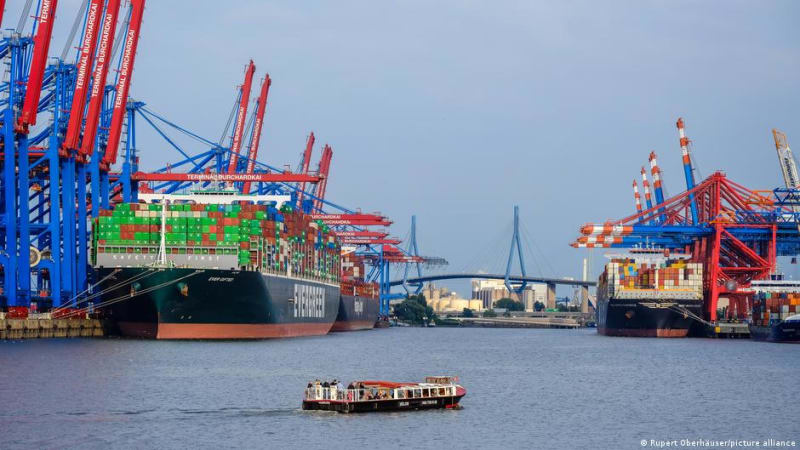
At the heart of these dynamics are the ongoing trade tensions initiated by US President Donald Trump, whose sweeping tariff regime has dramatically reshaped global economic interactions. The average US tariff has surged from 2.5% to 17.9% - the highest level since 1934, according to Yale University's Budget Lab - creating significant market volatility and compelling businesses to reimagine their supply chain strategies.
The US-China relationship continues to be a critical focal point, with experts like Rajiv Biswas from Asia Pacific Economics describing their current trade arrangement as more of a 'ceasefire' than a comprehensive peace accord. The technological rivalry between these economic superpowers remains intense, particularly in strategic sectors like artificial intelligence, quantum computing, and advanced robotics, with both nations deploying tariffs, sanctions, and economic measures to gain competitive advantages.
China's economic outlook for 2026 remains robust, with projected growth around 5%, aligning with government targets. However, significant structural challenges persist, including demographic aging, declining capital productivity, and excess industrial capacity in sectors like steel, shipbuilding, and chemicals. Economists like Neil Shearing from Capital Economics note that China's growth model continues to prioritize supply over demand, resulting in chronic excess capacity and subdued consumer spending.
The potential legal landscape adds another layer of complexity, with the US Supreme Court expected to rule on the legality of presidential tariff impositions. Many observers anticipate the court might invalidate Trump's tariffs, though the administration could seek alternative legal mechanisms to maintain trade restrictions.
Alicia Garcia-Herrero from Natixis warns that Asian nations might experience more pronounced economic impacts from these trade tensions in 2026, driven by ongoing geopolitical complexities and increasing trade fragmentation. Chinese leadership has responded by pledging to boost domestic consumption and stabilize their property market, signaling a proactive approach to addressing economic challenges.
As 2026 unfolds, the global economy stands at a critical juncture - balancing technological innovation, geopolitical strategies, and the fundamental need for sustainable, inclusive economic growth.
Based on reporting by DW News
This story was written by BrightWire based on verified news reports.