From the Brink: How Scientists Rescued a Rare Snail from Extinction's Edge
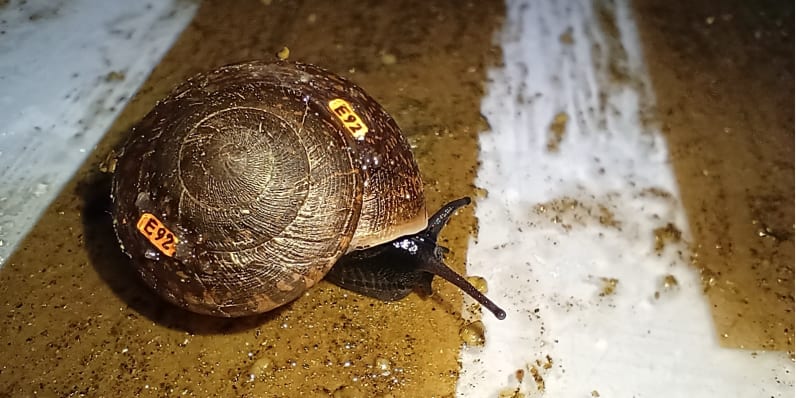
Scientists have successfully reintroduced the Campbell's keeled glass-snail to Norfolk Island after breeding over 800 individuals in captivity. This groundbreaking conservation effort offers hope for recovering species once thought extinct.
In a remarkable testament to conservation's power, researchers have achieved an extraordinary breakthrough by resurrecting a snail species once thought lost forever. The Campbell's keeled glass-snail, which was officially declared extinct in 1996, has not only been rediscovered but is now thriving thanks to an innovative breeding and reintroduction program in Australia.
Scientists from the Australian Museum made a groundbreaking discovery in 2020 when they confirmed a small population of these rare mollusks surviving in a sheltered rainforest valley on Norfolk Island. Led by researcher Isabel Hyman, the team collaborated with Taronga Zoo, Norfolk Island National Park, Western Sydney University, and the Australian Museum to launch an ambitious captive breeding initiative.
The breeding program faced significant challenges, as researchers knew almost nothing about the snail's biology, diet, or behavioral patterns. Through meticulous record-keeping and careful husbandry, the team gradually developed successful breeding techniques, eventually growing their captive population to over 800 individuals.
In a landmark conservation effort, the researchers transported approximately 600 snails to Norfolk Island in June and subsequently released 340 individually tagged snails into a carefully prepared section of the national park. The release site was strategically chosen to avoid overlapping with the existing wild population, minimizing potential risks to the fragile species.
Preparation for the snails' reintroduction was extensive. The team installed rodent traps and monitoring cameras to track potential predators and even implemented a sprinkler system to maintain optimal moisture levels during dry conditions. These precautions reflect the team's commitment to giving the snails the best possible chance of survival.
The initial results have been incredibly promising. Researchers have already observed newborn snails at the release site, indicating the population is beginning to establish itself. While acknowledging that it is still early in the reintroduction process, Hyman expressed cautious optimism about the project's potential success.
Looking forward, the team plans another reintroduction in June 2026 to further bolster the population. This methodical, patient approach underscores a broader message of hope: with dedicated scientific effort and strategic intervention, we can help endangered species recover and thrive in their natural habitats.
Based on reporting by Mongabay
This story was written by BrightWire based on verified news reports.
More Good News
 🌍 Planet
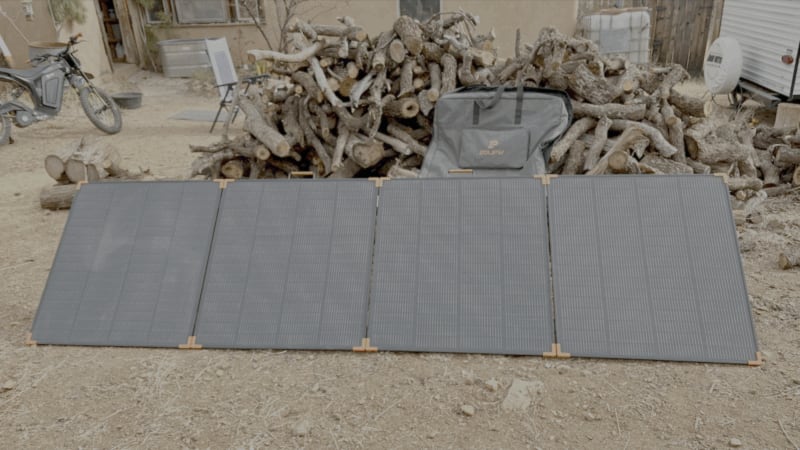
Innovative Solar Solution: ZOUPW 450W Portable Panel Revolutionizes Off-Grid Power Generation
 🌍 Planet
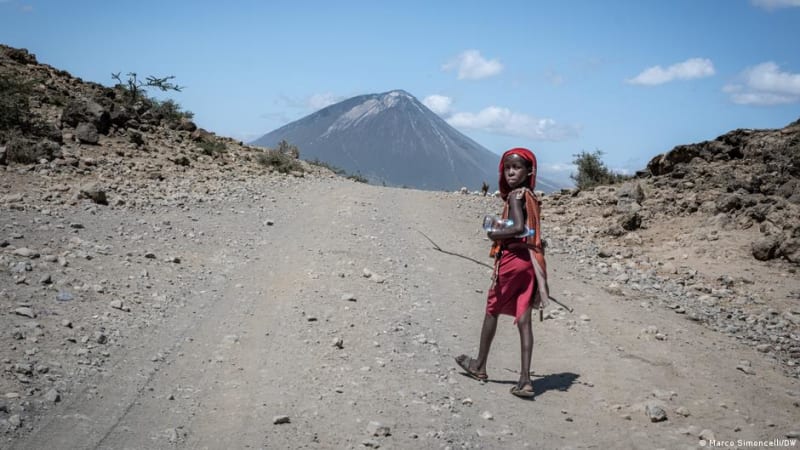
Conservation or Displacement? The Complex Story of Tanzania's Game Reserves
 🌍 Planet
Electric Vehicle Giants BYD and Tesla Dominate Global Battery Electric Vehicle Market
Start Your Day With Good News
Join 50,000+ readers who wake up to stories that inspire. Delivered fresh every morning.
No spam, ever. Unsubscribe anytime.