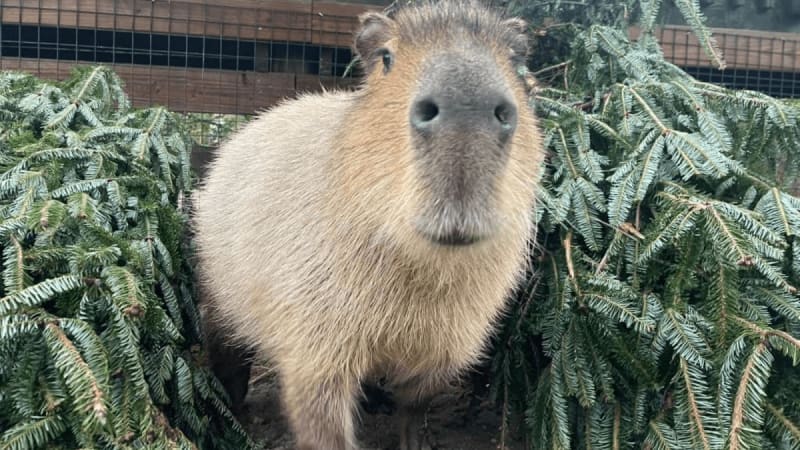
From Holiday Décor to Wildlife Haven: How Donated Christmas Trees Create Joy at Cape May County Zoo
Cape May County Zoo turns donated Christmas trees into vital resources for 550 animals, providing shelter, enrichment, and mental stimulation. This innovative program transforms holiday waste into a meaningful wildlife experience.
As the last holiday decorations come down and festive trees become forgotten relics, one New Jersey zoo has discovered a heartwarming way to give these seasonal symbols a meaningful second life. Since 1978, the Cape May County Park & Zoo has transformed unwanted Christmas trees into vital resources for their diverse animal residents, turning potential waste into an enriching wildlife experience.
The zoo, which houses over 550 animals representing 250 different species, actively solicits donated undecorated trees from local community members and nearby businesses. Senior animal keeper Kim Simpkins explains the program's significance: "Not everyone can donate money to the zoo, and that's totally fair. We're a free zoo so that everybody can come here. But if you want to donate a Christmas tree, I think that makes people feel really good that they were able to help somehow."
These evergreen donations serve multiple crucial purposes for the zoo's inhabitants. During the cold Jersey Shore winters, where temperatures can plummet to the low 20s, the trees provide essential wind protection for animal enclosures. Simpkins notes they strategically use trees to block doorways and create additional shelter, particularly for wallabies and kangaroos, who often stack the trees to create cozy, protective spaces.
Beyond physical protection, the trees offer critical mental and physical enrichment for the animals. According to Cornell University veterinarian Dr. Kate Anderson, enrichment is about "ensuring that all of an animal's needs are met and providing appropriate outlets for emotional, physical, and mental stimulation." At Cape May Zoo, this means designing activities that encourage natural behaviors, such as hiding food within the trees for primates to forage, mimicking their wild hunting instincts.
The program also provides a budget-friendly solution for animal care. Specialized enrichment items like durable plastic balls can cost between $300 to $500 and often suffer quick destruction from sharp teeth and claws. Donated Christmas trees offer a free, engaging alternative that keeps animals mentally stimulated and physically active. "There are infinite ways to provide enrichment," Dr. Anderson emphasizes, "limited only by time, funding, and imagination."
Each animal at the zoo interacts with these donated trees uniquely. While some primates might carefully investigate hidden treats, others like the lions might simply enjoy carrying and playing with the trees. This individualized approach ensures that every animal receives tailored enrichment that respects their specific natural behaviors and needs.
By transforming discarded holiday decorations into valuable zoo resources, Cape May County Park & Zoo demonstrates an innovative approach to animal care, community engagement, and sustainable practices. What might have been destined for a landfill instead becomes a source of joy, protection, and stimulation for hundreds of animals, proving that with creativity and compassion, even the most ordinary items can make an extraordinary difference.
Based on reporting by Popular Science
This story was written by BrightWire based on verified news reports.
More Good News
 🌍 Planet
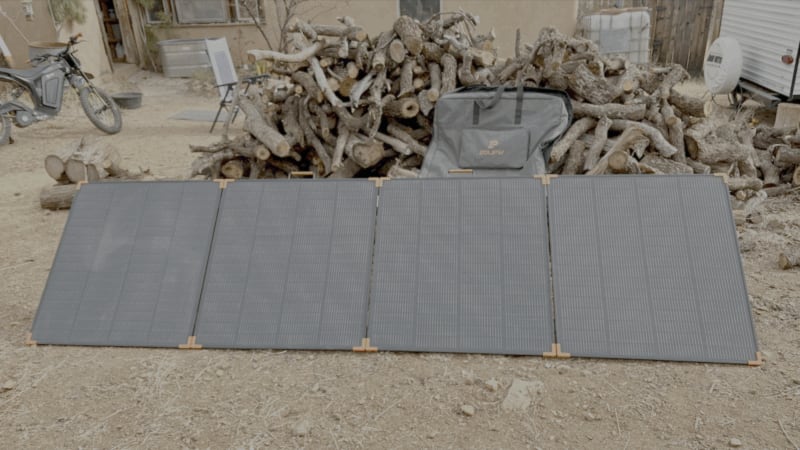
Innovative Solar Solution: ZOUPW 450W Portable Panel Revolutionizes Off-Grid Power Generation
 🌍 Planet
Conservation or Displacement? The Complex Story of Tanzania's Game Reserves
 🌍 Planet
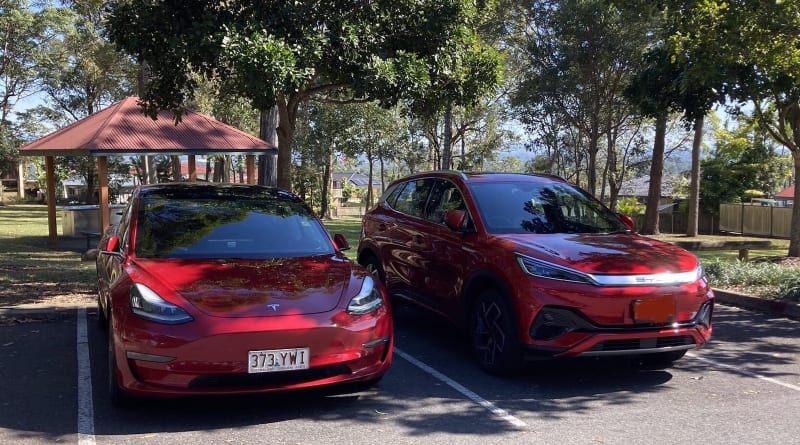
Electric Vehicle Giants BYD and Tesla Dominate Global Battery Electric Vehicle Market
Start Your Day With Good News
Join 50,000+ readers who wake up to stories that inspire. Delivered fresh every morning.
No spam, ever. Unsubscribe anytime.