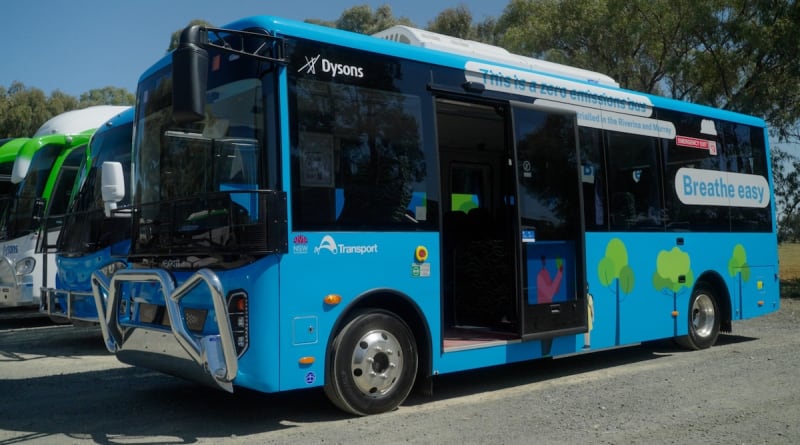
Electric Buses Revolutionize Regional Transport in New South Wales
New South Wales proves electric buses can revolutionize regional transport, successfully completing an 18-month trial that demonstrates zero-emission vehicles' viability across diverse terrains. The groundbreaking study shows significant emissions reduction and high passenger satisfaction.
In a groundbreaking demonstration of sustainable transportation, Transport for New South Wales has proven that electric buses are not just a city concept, but a viable solution for regional and remote routes across the state. The comprehensive 18-month trial, spanning diverse terrains from Armidale to the Tweed Valley, has conclusively shown that zero-emission buses can effectively operate in challenging Australian conditions.
The numbers tell a compelling story: 12 electric buses have traversed an impressive 300,000 kilometers over 1,627 bus days, averaging around 200 kilometers per route daily. More importantly, these innovative vehicles have eliminated over 200 tonnes of tailpipe carbon emissions, marking a significant step toward the state's ambitious goal of a net-zero fleet by 2035 and supporting the broader state target of net-zero emissions by 2050.
One of the most exciting technological discoveries during the trial was the game-changing regenerative braking system. This innovative technology allows buses to recover energy while slowing down or traveling downhill, transforming what would traditionally be wasted motion into a cost-saving advantage. Transport officials note that this mechanism demonstrates reduced running costs across all operating environments, making a compelling financial case for electric bus adoption.
Passenger feedback has been overwhelmingly positive, with 80% of riders expressing satisfaction with the electric buses. Commuters praised the vehicles' comfort, remarkably quiet operation, and smooth ride - proving that sustainability doesn't mean compromising on quality. The buses performed exceptionally well even on unsealed regional roads, challenging the notion that electric vehicles are only suited to urban environments.
Andrew Milne, Transport's Executive Director of Public Transport, expressed cautious optimism about the trial's results. While acknowledging the promising data, he emphasized the ongoing need to gather insights into energy use, passenger uptake, fuel cost savings, and emissions reductions. The buses will continue operating on their current routes until at least March 2026, providing continued research opportunities.
The innovative approach extends beyond New South Wales, with Adelaide preparing to convert its entire 60-vehicle bus fleet to electric. Scania will supply the initial two buses, with a full fleet transition planned by mid-2026. This aligns perfectly with South Australia's remarkable achievement of generating over 150% renewable energy, ensuring ample power for the new electric transportation infrastructure.
As World Sustainable Transport Day highlighted these achievements, Transport NSW's trial offers a blueprint for regional electrification. By demonstrating that electric buses can perform efficiently across varied landscapes, the program provides hope for a cleaner, more sustainable transportation future. Milne also offered a crucial safety reminder for pedestrians, advising them to stay alert around the quieter electric buses and cross at designated safe points.
The regional electric bus trial represents more than a technological experiment - it's a testament to Australia's commitment to innovative, environmentally responsible transportation solutions that can work in even the most challenging conditions.
Based on reporting by CleanTechnica
This story was written by BrightWire based on verified news reports.
More Good News



Start Your Day With Good News
Join 50,000+ readers who wake up to stories that inspire. Delivered fresh every morning.
No spam, ever. Unsubscribe anytime.