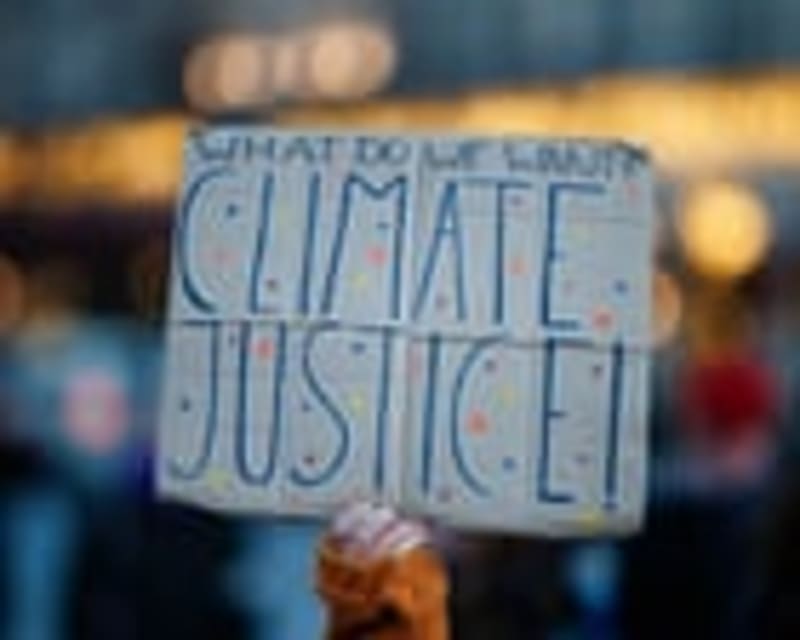
Climate Justice Triumphs: 13 Landmark Legal Victories Shape Global Environmental Protection
Legal battles across the globe have delivered 13 landmark climate victories, challenging fossil fuel projects and corporate greenwashing. These court cases represent a transformative approach to environmental protection, setting new precedents for accountability.
In a groundbreaking year for climate advocacy, legal battles across multiple continents have delivered significant wins for environmental protection, marking a transformative decade since the Paris Agreement.
The past 12 months have witnessed remarkable legal challenges that have effectively halted fossil fuel projects, challenged corporate greenwashing, and established new precedents for holding polluters accountable. From the United Kingdom to Brazil, courtrooms have become critical battlegrounds in the fight against climate change.
A pivotal moment came early in the year when the Scottish court of session ruled the UK government's approval of the Rosebank and Jackdaw oil and gas fields illegal. The judgment, building on a 2024 Supreme Court ruling by campaigner Sarah Finch, highlighted the critical importance of assessing greenhouse gas emissions from fossil fuel extraction. This decision also contributed to throwing out planning permission for a new coalmine in Whitehaven, Cumbria, prompting the company to withdraw its plans.
In Brazil, civil society organizations achieved a significant victory when Copelmi, a coal company, formally withdrew plans for the Nova Seival power plant and Guaíba mine in Rio Grande do Sul. The project, which would have been Brazil's largest coal plant, was challenged on grounds of breaching climate obligations and improper licensing processes. A court suspension in 2022 ultimately led to the project's cancellation.
Corporate accountability took center stage with landmark cases like EnergyAustralia's greenwashing lawsuit settlement. Climate action group Parents for Climate successfully argued that the company breached Australian Consumer Law by promoting electricity and gas products with unsubstantiated carbon offsets. As part of the settlement, EnergyAustralia acknowledged that carbon offsets do not prevent greenhouse gas emissions and apologized to 400,000 customers.
International courts also made significant contributions, with the inter-American Court of Human Rights issuing a landmark advisory opinion recognizing a human right to a stable climate. Meanwhile, a decade-old case brought by Peruvian farmer Saúl Luciano Lliuya against German energy company RWE, though seemingly unsuccessful, set an important precedent for potential future climate liability cases.
These victories represent more than isolated legal wins; they signal a growing global legal architecture for climate protection. As we mark the 10th anniversary of the Paris Agreement, these cases demonstrate the increasing power of strategic litigation in driving meaningful environmental change and holding both governments and corporations accountable for their climate impact.
Based on reporting by Guardian Environment
This story was written by BrightWire based on verified news reports.
Spread the positivity! 🌟
Share this good news with someone who needs it