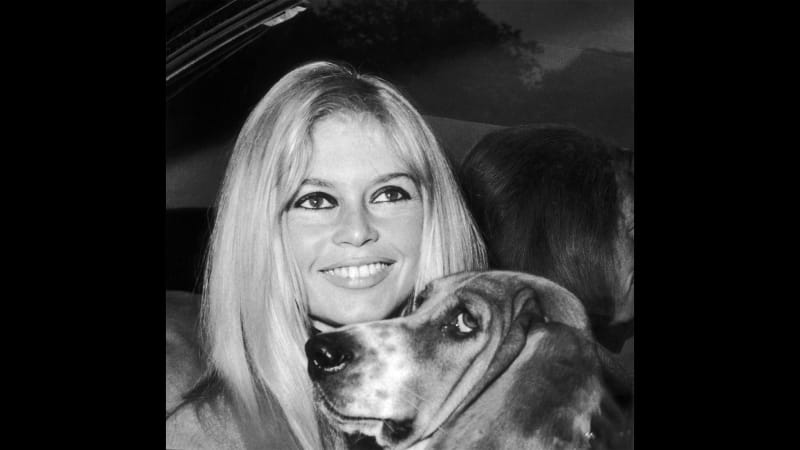
Brigitte Bardot: How a Hollywood Icon Transformed Animal Rights Activism
Brigitte Bardot transformed from Hollywood icon to legendary animal rights activist, using her fame to champion wildlife protection across multiple continents. Her uncompromising approach challenged global perspectives on animal welfare and established a foundation that continues her passionate work.
When most celebrities fade from the spotlight, Brigitte Bardot chose a radically different path. After conquering the film world as a global icon, she redirected her fame toward a passionate, uncompromising mission: protecting animals who could not speak for themselves.
In an era when animal welfare was often dismissed as a trivial concern, Bardot emerged as a fierce, unrelenting advocate who refused to let wildlife exploitation remain unchallenged. From the 1960s onward, she transformed her celebrity status into a powerful platform for animal rights, targeting commercial hunting, fur trades, and cultural practices that she viewed as fundamentally cruel.
Her most dramatic campaigns centered on the brutal commercial seal hunt in Canada and Arctic regions. Bardot personally traveled to ice floes, confronting hunters and generating international media attention through powerful imagery and stark statements. Her now-famous quote, "Man is an insatiable predator," encapsulated her belief that economic systems routinely treated wild animals as disposable resources rather than sentient beings.
Beyond seal hunting, Bardot's activism spanned multiple domains of wildlife protection. She vocally opposed whaling programs in Japan and Norway, condemned fur trapping and farming, and denounced bullfighting as ritualized animal entertainment. These positions frequently earned her political opposition and accusations of cultural insensitivity, yet she remained unapologetically committed to her principles.
In 1986, Bardot formalized her lifelong commitment by establishing the Fondation Brigitte Bardot, an organization dedicated to protecting both domestic and wild animals. The foundation funded critical initiatives including anti-poaching efforts, wildlife rescue centers, and legal actions against illegal animal trafficking. By strategically lobbying governments and international bodies like the European Union, she ensured her advocacy extended far beyond personal visibility.
Even as she aged, Bardot's passion never wavered. On her 73rd birthday, she powerfully stated, "I don't care about my past glory. That means nothing in the face of an animal that suffers, since it has no power, no words to defend itself." Her empathy stemmed from a deep understanding of vulnerability, often drawing parallels between her own experiences of relentless public scrutiny and the helplessness of hunted wildlife.
Bardot's legacy transcends traditional celebrity narratives. She transformed her global fame into a moral crusade, treating wildlife protection not as a peripheral issue but as a fundamental measure of societal compassion. Her approach was never about consensus but about persistent, uncompromising advocacy that forced the world to confront uncomfortable truths about human-animal relationships.
When Brigitte Bardot passed away on December 28, 2025, in Saint-Tropez, France, at 91 years old, she left behind a profound legacy of animal rights activism that had fundamentally reshaped global conversations about wildlife protection.
Based on reporting by Mongabay
This story was written by BrightWire based on verified news reports.
More Good News
 🌍 Planet
Innovative Solar Solution: ZOUPW 450W Portable Panel Revolutionizes Off-Grid Power Generation
 🌍 Planet
Conservation or Displacement? The Complex Story of Tanzania's Game Reserves
 🌍 Planet
Electric Vehicle Giants BYD and Tesla Dominate Global Battery Electric Vehicle Market
Start Your Day With Good News
Join 50,000+ readers who wake up to stories that inspire. Delivered fresh every morning.
No spam, ever. Unsubscribe anytime.