Breakthrough Medical Innovations Promise Hope and Healing in 2025
Medical science takes a quantum leap in 2025 with revolutionary eye drops eliminating reading glasses and groundbreaking pediatric heart transplant techniques. These innovations promise to transform healthcare and offer new hope for millions worldwide.
Medical science is transforming human health in unprecedented ways, offering groundbreaking solutions that seemed impossible just years ago. From revolutionary eye drops that eliminate reading glasses to innovative heart transplant techniques, 2025 marks a watershed moment in healthcare innovation.
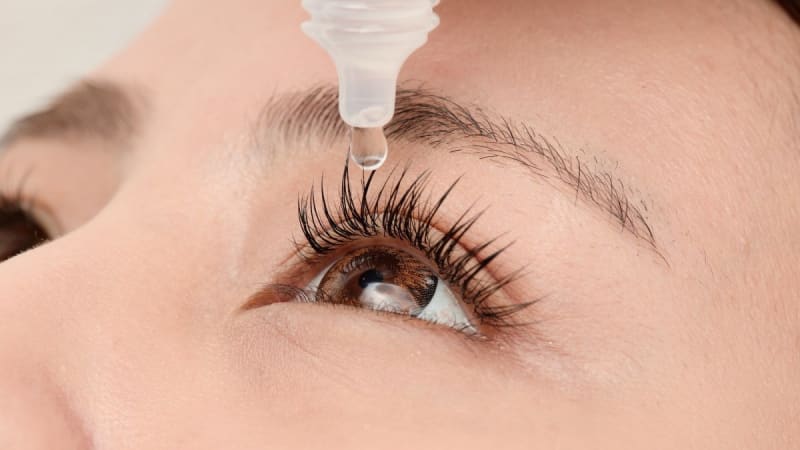
One of the most exciting developments is VIZZ, an eye drop solution by LENZ Therapeutics that promises to solve age-related farsightedness—a condition affecting 128 million Americans and nearly 2 billion people worldwide. The FDA-approved aceclidine eye solution works by subtly adjusting pupil size, dramatically improving near vision within just 30 minutes. In clinical trials involving 1,059 participants aged 45 to 75, VIZZ consistently improved vision by three or more lines on standard eye charts, allowing users to read smartphones and tablets without reading glasses.
The innovation doesn't come without careful consideration. While VIZZ offers remarkable vision correction lasting up to 10 hours, medical professionals recommend consulting eye care specialists before use. Potential side effects include eye irritation, temporary vision dimming, redness, and headaches. The drug also carries a slight risk of retinal complications, particularly for patients with specific eye conditions.
Equally transformative is a breakthrough in pediatric heart transplantation developed by Duke University Medical Center researchers. Historically, children needing heart transplants faced dire odds, with over 1,100 patients on waiting lists and up to 20% dying before receiving a suitable donor heart. The new 'on-table reanimation' technique dramatically expands the potential donor pool by allowing heart transplantation from donors after circulatory death—a method previously fraught with ethical and medical challenges.
This revolutionary technique circumvents previous restrictions by reanimating donor hearts outside the body during surgery, effectively solving complex ethical debates surrounding organ donation. In a groundbreaking procedure, doctors successfully transplanted a heart from a 1-month-old donor to a 3-month-old recipient, with the young patient reportedly remaining healthy post-operation. Dr. Joe Turek, a pediatric cardiac surgeon at Duke, called the development a potential game-changer for infant cardiac care.
These innovations represent more than technological achievements; they symbolize hope and human resilience. By pushing medical boundaries, researchers are not just treating symptoms but fundamentally reimagining healthcare's potential to enhance human life. As 2025 unfolds, these breakthroughs remind us that with dedication, creativity, and compassion, seemingly insurmountable medical challenges can be transformed into opportunities for healing and renewal.
Based on reporting by Popular Science
This story was written by BrightWire based on verified news reports.
More Good News



Start Your Day With Good News
Join 50,000+ readers who wake up to stories that inspire. Delivered fresh every morning.
No spam, ever. Unsubscribe anytime.