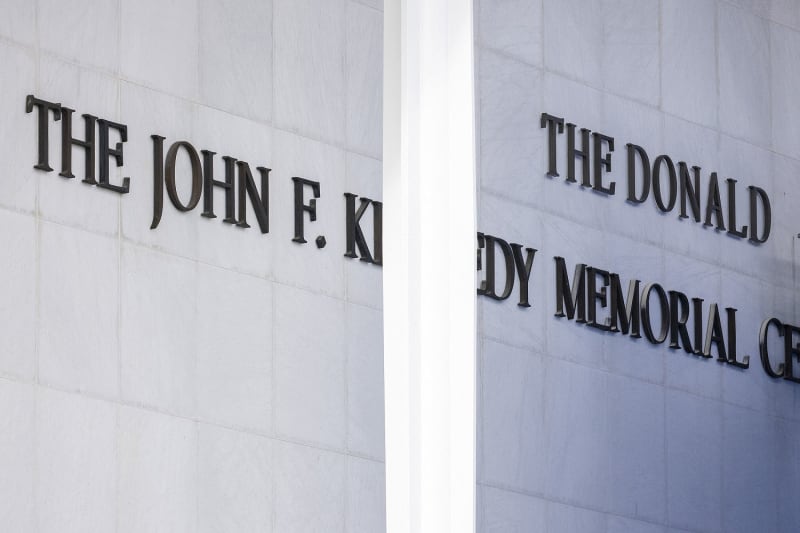
Artists Take Stand: Kennedy Center Name Change Sparks Performer Exodus
Musicians are withdrawing performances from the Kennedy Center after a controversial name change that adds Trump's name to the iconic venue. The protest highlights tensions between artistic integrity and political influence.
In a growing wave of artistic protest, musicians are withdrawing their performances from the Kennedy Center after its board's controversial decision to incorporate former President Donald Trump's name into the venue's official title.
Jazz ensemble The Cookers became the latest performers to cancel their scheduled Wednesday night concert, releasing a poignant statement that emphasized the genre's historical roots in struggle and artistic freedom. "Jazz was born from struggle and from a relentless insistence on freedom: freedom of thought, of expression, and of the full human voice," the band's statement read, subtly alluding to their political reservations about the name change.
Folk singer Kristy Lee, originally set to perform on January 14th, publicly announced her cancellation on Instagram, asserting that her artistic integrity was paramount. "When American history starts getting treated like something you can ban, erase, rename, or rebrand for somebody else's ego, I can't stand on that stage and sleep right at night," Lee declared, revealing she would instead host a livestream performance from her home.
The controversy stems from the Kennedy Center board's recent vote to rename the institution, which was quickly followed by Trump's name being affixed to the building's facade. This move has drawn significant criticism from lawmakers and members of the Kennedy family, who argue that the venue—created by Congress to memorialize President John F. Kennedy—cannot be renamed without congressional approval.
Representative Joyce Beatty from Ohio, an ex officio board member, has already taken legal action, suing the Trump administration and calling the renaming a "flagrant violation of the rule of law." The center's president, Richard Grenell, has been aggressive in his response, even threatening jazz musician Chuck Redd with a potential $1 million lawsuit after Redd canceled his long-standing Christmas Eve concert.
Kennedy Center spokesperson Roma Daravi defended the institution, stating that artists canceling performances over political differences are "selfish, intolerant, and have failed to meet the basic duty of a public artist: to perform for all people." However, performers like Lee have countered that their stance is about preserving institutional integrity and preventing political capture of publicly funded spaces.
The ongoing saga reflects broader tensions surrounding Trump's influence over cultural institutions. Beyond the Kennedy Center's name change, he has reportedly replaced the board with handpicked members, named himself chair, and modified programming—including the removal of Pride events. Multiple high-profile performers and shows, including the musical 'Hamilton' and comedian Issa Rae, have already distanced themselves from the venue.
As the artistic community continues to respond, the Kennedy Center finds itself at the center of a complex dialogue about artistic expression, institutional independence, and the intersection of politics and performance.
Based on reporting by NBC News
This story was written by BrightWire based on verified news reports.
More Good News
 ✨ Good News
2025: A Year of Transformative Change - From AI Revolution to Global Shifts
 ✨ Good News
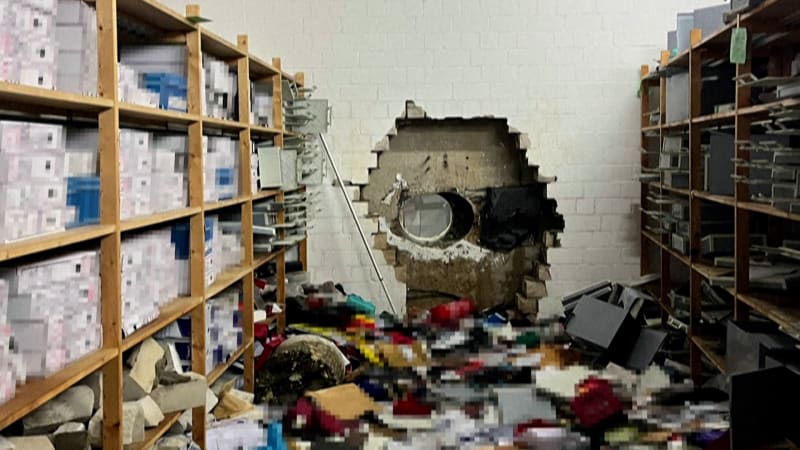
Audacious Bank Heist Shocks German Town During Christmas Holiday
 ✨ Good News