Amazonian Fishers Turn Environmental Detectives in Groundbreaking River Study
Amazonian fishers team up with scientists to reveal the ecological impact of hydroelectric dams on the Madeira River. Their groundbreaking research documents dramatic changes in fish populations and challenges traditional approaches to environmental study.
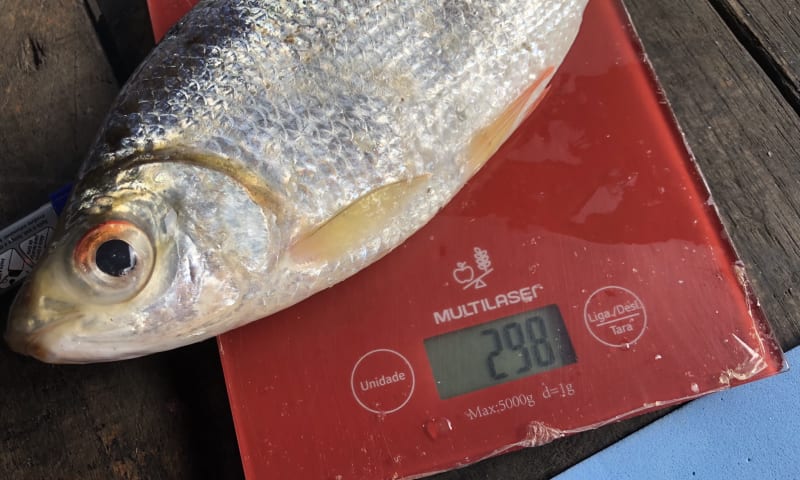
In the heart of Brazil's Amazon, a community of fishers is transforming scientific research by documenting the dramatic environmental changes caused by hydroelectric dams along the Madeira River. Raimundo Nonato dos Santos, a 53-year-old community leader known as Leleca, has witnessed firsthand the devastating decline of fish populations that once sustained his entire community at Lago Puruzinho.
The Santo Antônio hydroelectric power plant, constructed in 2008, sparked a significant ecological transformation that has fundamentally altered the traditional fishing ecosystem. Once abundant fish species like pirarucu, tambaqui, and pirapitinga have become so rare that catching one is now considered a surprising event. 'When we catch one, it's a surprise,' dos Santos explained, reflecting the profound shift in local marine life.
Despite hydropower being often marketed as 'clean energy', researchers from the Federal University of Amazonas have uncovered substantial environmental and social impacts. The massive dam reservoir spans over 54,600 hectares, dramatically limiting the Madeira River's natural flow and disrupting critical fish migration patterns. 'Fish need currents to navigate. They don't need still water, they need moving water. And the Madeira River stopped flowing,' dos Santos passionately described.
A groundbreaking collaborative research project involving 120 local fishers has now quantified these changes, using an innovative method called TSBCAMPA (Low-Cost Social Technology Applied to Artisanal Fisheries Monitoring). By documenting daily catches, fish species, and fishing locations, these community members have become crucial scientific partners in understanding environmental transformations.
The study, published in November 2023, compared fishing data from 2009-2010 before the dam's construction with catch records from May 2018 to April 2019. Researchers Igor Hister Lourenço and his team discovered significant shifts in fishing dynamics, with the hydropower plants negatively affecting multiple fish species' capture patterns and locations.
What makes this research extraordinary is its collaborative approach, turning local knowledge into rigorous scientific evidence. Fishers like dos Santos are not just subjects of the study but active contributors, providing 'invaluable information about the region' that traditional research methods might have overlooked. Their firsthand experiences document an ecological narrative of transformation, resilience, and the complex relationship between human communities and their natural environments.
As Brazil continues to develop its renewable energy infrastructure, studies like these highlight the critical importance of understanding and mitigating environmental impacts. The Amazonian fishers of the Madeira River have shown that scientific discovery can emerge from the most unexpected places - through community knowledge, persistent observation, and a deep connection to the natural world.
Based on reporting by Mongabay
This story was written by BrightWire based on verified news reports.
More Good News
 🌍 Planet
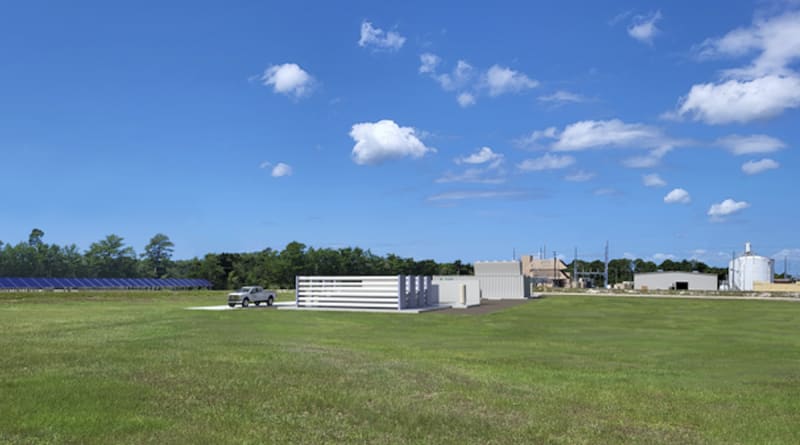
Duke Energy Florida Slashes Electricity Bills by 22%, Credits Solar Innovations
 🌍 Planet
Electric Vehicle Market Shifts: Unprecedented Deals Await Buyers This Year-End
 🌍 Planet
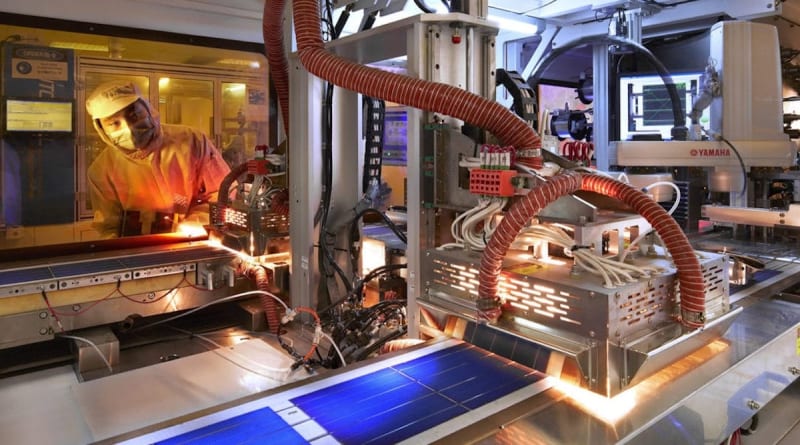
T1 Energy Acquires Massive 5-Gigawatt Solar Module Factory from Trina Solar, Marking New Era in US Clean Energy Manufacturing
Start Your Day With Good News
Join 50,000+ readers who wake up to stories that inspire. Delivered fresh every morning.
No spam, ever. Unsubscribe anytime.