Amazon Fishers Turn Detectives: Tracking Environmental Impact of River Dams
Amazon fishers become environmental detectives, revealing the profound ecological impacts of hydroelectric dams. Their collaborative research with scientists provides unprecedented insights into changing river ecosystems.
In the heart of Brazil's Amazon, a community of resilient fishers is transforming scientific research by becoming unexpected environmental investigators, revealing the profound consequences of hydroelectric dam construction on their beloved river ecosystem.
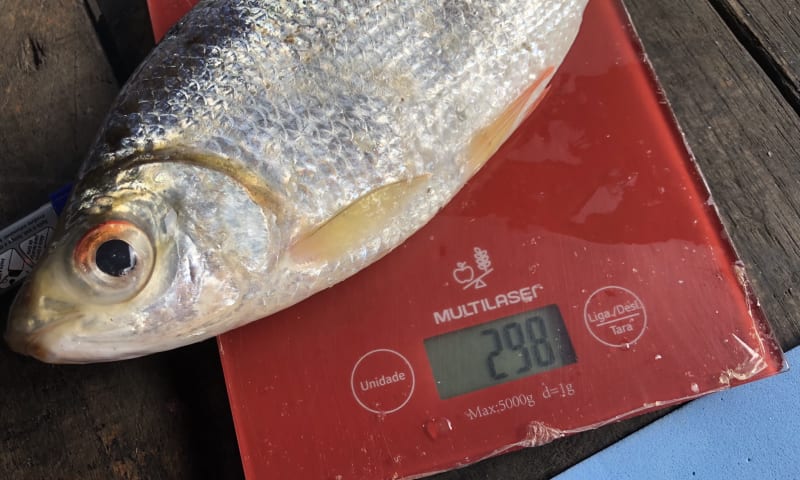
Raimundo Nonato dos Santos, a 53-year-old community leader known locally as Leleca, has witnessed firsthand the dramatic transformation of Lago Puruzinho. Once teeming with pirarucu, tambaqui, and pirapitinga fish, the lake has now become a stark testament to environmental disruption. 'When we catch one fish, it's a surprise,' dos Santos shared, his voice reflecting decades of intimate knowledge about the river's delicate balance.
The Santo Antônio hydroelectric power plant, constructed in 2008 in Rondônia state, dramatically altered the Madeira River's natural flow. Spanning over 54,600 hectares, the dam—often marketed as 'clean energy'—has instead triggered significant ecological challenges. Researchers from the Federal University of Amazonas discovered that the plant's installation fundamentally changed fish capture dynamics, disrupting traditional fishing patterns that had sustained local communities for generations.
Collaborating with 120 local fishers, scientists used an innovative low-cost social technology method called TSBCAMPA to meticulously document changes in fish populations. By tracking daily catches, recording precise locations, and measuring biological metrics, these fisher-researchers provided unprecedented insights into the environmental transformation. Igor Hister Lourenço, a lead researcher, praised the fishers' contributions, noting their 'invaluable information about the region'.
The research, published in November 2023, compared fish catch data from 2009-2010 (before dam construction) with records from 2018-2019, revealing stark declines in fish stocks. The Jirau hydropower plant, located 120 kilometers upstream and operational since 2013, further compounded these ecological disruptions. Local communities like Puruzinho, which traditionally consumed fish daily, have seen their entire way of life fundamentally altered.
Beyond statistical evidence, the study represents a powerful narrative of community-driven environmental research. By empowering local fishers as scientific partners, researchers have created a more holistic, nuanced understanding of human-environment interactions. Dos Santos and his fellow community members are not just passive observers but active participants in documenting and potentially mitigating ecological change.
As Brazil continues to develop its renewable energy infrastructure, this research offers critical insights into the complex trade-offs between energy production and ecological preservation. The Madeira River's story serves as a poignant reminder that true environmental understanding requires listening to those most intimately connected with the landscape—the communities who have lived and worked alongside these ecosystems for generations.
Based on reporting by Mongabay
This story was written by BrightWire based on verified news reports.
More Good News
 🌍 Planet
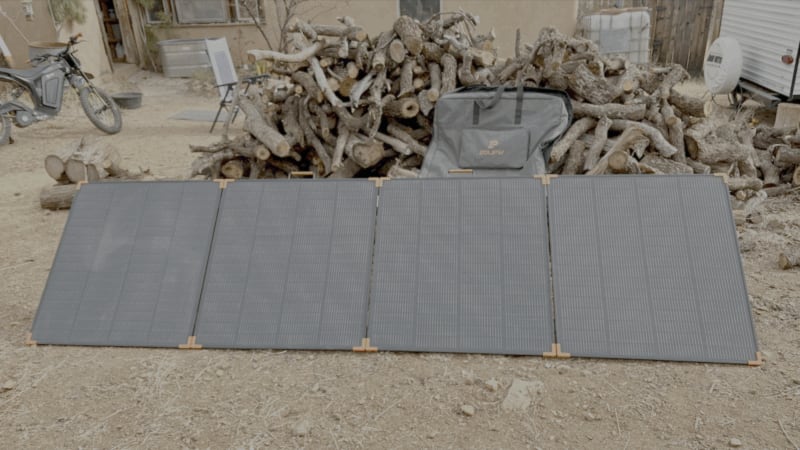
Innovative Solar Solution: ZOUPW 450W Portable Panel Revolutionizes Off-Grid Power Generation
 🌍 Planet
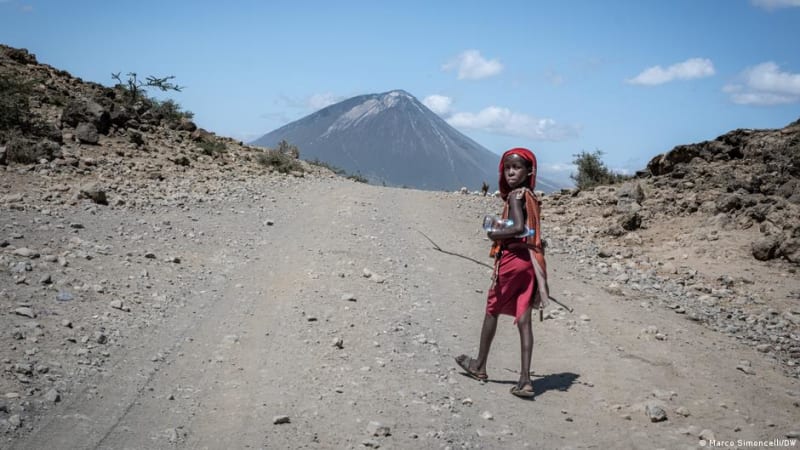
Conservation or Displacement? The Complex Story of Tanzania's Game Reserves
 🌍 Planet
Electric Vehicle Giants BYD and Tesla Dominate Global Battery Electric Vehicle Market
Start Your Day With Good News
Join 50,000+ readers who wake up to stories that inspire. Delivered fresh every morning.
No spam, ever. Unsubscribe anytime.