25-Year Quest: How Florida is Reimagining Water's Future in the Everglades
A groundbreaking $27 billion restoration project is transforming the Florida Everglades, offering a pioneering approach to water management and ecological preservation in the face of climate change.
In the heart of Florida, an extraordinary environmental rescue mission is rewriting the rules of landscape restoration, proving that human innovation can heal what decades of development once damaged.
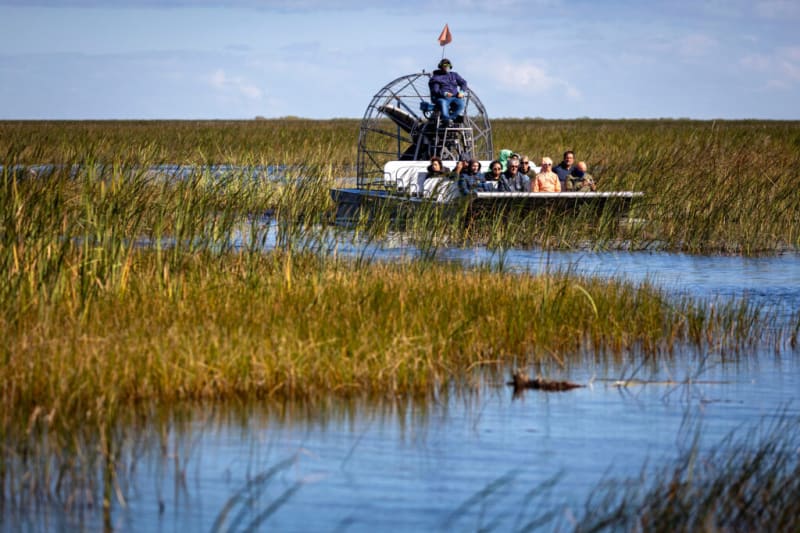
The Everglades restoration project—a $27 billion endeavor now in its 25th year—represents one of the most ambitious environmental interventions in human history. Spanning an incredible 18,000-square-mile region larger than Maryland, this comprehensive plan aims to restore critical water systems while protecting one of America's most unique ecological treasures.
At its core, the project addresses a fundamental water management challenge: Every single day, approximately 1.7 billion gallons of freshwater that historically flowed through the region's sawgrass marshes are instead diverted through canals and discharged into the sea. This massive water loss not only threatens the delicate ecosystem but also jeopardizes South Florida's future drinking water supply.
When President Bill Clinton signed the Comprehensive Everglades Restoration Plan (CERP) in December 2000, he set in motion an unprecedented effort to re-engineer a landscape dramatically altered by decades of human intervention. The plan involves backfilling hundreds of miles of canals, excavating massive new reservoirs, and strategically dismantling water control structures to restore a more natural water flow.
Climate change adds urgency to this mission. With sea levels rising at some of the planet's most extreme rates and hurricanes growing increasingly powerful, the Everglades represents a critical frontline in environmental resilience. The region hosts over 70 endangered and threatened species, making its preservation not just an ecological imperative but a testament to human commitment to biodiversity.
Shannon Estenoz from the Everglades Foundation captures the project's transformative vision perfectly: "You can't have a failure of imagination when you're trying to address these issues. You've got to be operating at an appropriate scale." Her words underscore a profound message—that landscape restoration isn't about preserving a static environment, but dynamically reimagining our relationship with natural systems.
As the restoration enters its next phase, it stands as a powerful example of what's possible when scientific expertise, political will, and environmental stewardship converge. The Everglades project isn't just saving a unique ecosystem; it's demonstrating a model of hope for environmental challenges worldwide.
Based on reporting by Inside Climate News
This story was written by BrightWire based on verified news reports.
Spread the positivity! 🌟
Share this good news with someone who needs it
More Good News
 🌍 Planet
Eden Project Founder Reveals Optimism: World is Improving, Not Declining
 🌍 Planet
The Ultimate Green Goodbye: How Your Final Resting Choice Impacts Earth
 🌍 Planet