2025: A Groundbreaking Year in Medical Science and Human Understanding
2025 was a landmark year for medical science, featuring breakthrough discoveries in longevity, brain research, and medical technologies. Scientists pushed boundaries in understanding human potential while navigating complex ethical landscapes.
In a year marked by unprecedented medical discoveries and technological advancements, 2025 offered profound insights into human biology, artificial intelligence, and global health challenges.
The scientific community made remarkable strides in understanding human longevity, brain evolution, and emerging medical technologies. Researchers delved deep into the biological mysteries that shape our understanding of life, disease, and human potential.
The passing of Maria Branyas Morera, the world's oldest woman, at age 117 in 2024 sparked significant research into the biological traits that protect individuals from age-related diseases. Scientists meticulously examined her genetic and physiological characteristics, seeking potential insights that could help others lead longer, healthier lives.
Brain science emerged as a particularly fascinating field of study. Renowned science communicator Jim Al-Khalili's BBC show 'Horizon: Secrets of the Brain' explored the evolutionary journey of human consciousness, while neuroscientist Nikolay Kukushkin provided groundbreaking perspectives on how our remarkable cognitive capabilities developed over millennia.
Technological innovations in medical research raised both excitement and ethical questions. Stem cell researchers have developed increasingly sophisticated 'minibrains' - laboratory-grown brain models that have sparked intense debates about consciousness and potential pain perception. These tiny, complex structures represent a frontier of neurological understanding that challenges existing scientific and philosophical boundaries.
The potential of mRNA technology continued to expand beyond COVID-19 vaccines, with promising applications in cancer therapeutics, immune-reprogramming, and gene therapies. However, political tensions surrounding vaccination research have created uncertainty in development pathways, particularly under the second Trump administration.
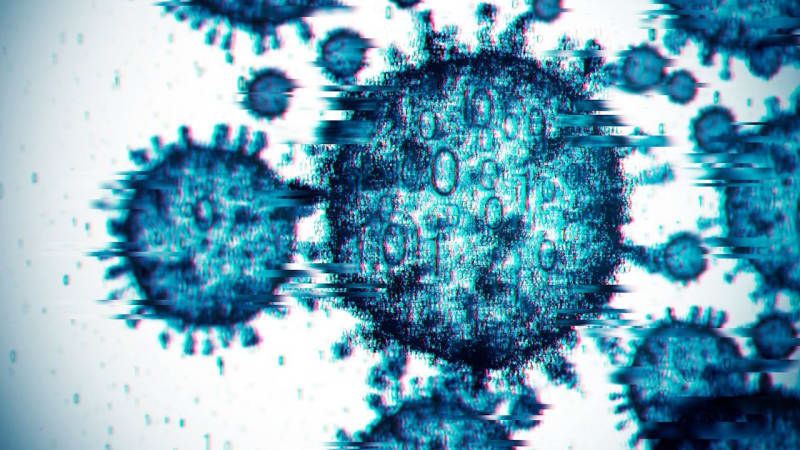
Artificial intelligence demonstrated its double-edged potential by showcasing the ability to design entirely new viruses. While scientists hope to use this technology for positive applications like treating drug-resistant bacterial infections, serious biosecurity concerns emerged about potential misuse in creating advanced bioweapons.
Global health equity remained a critical focus, with epidemiologists like Dr. Seth Berkley reflecting on lessons learned from the COVID-19 pandemic. Their work highlighted the importance of ensuring vaccine distribution to lower-income countries, challenging the historical trend of wealthy nations monopolizing medical resources.
As 2025 concluded, the scientific community had once again proven its capacity for innovation, ethical inquiry, and relentless pursuit of knowledge that could transform human health and understanding.
Based on reporting by Live Science
This story was written by BrightWire based on verified news reports.
More Good News
 🚀 Innovation
Electrifying Deal: Dodge Charger EV Slashes Prices by Nearly 50%
 🚀 Innovation
CATL's Sodium-Ion Battery Revolution: A Breakthrough in Electric Vehicle Technology
 🚀 Innovation
Home Tech Revolution: 5 Breakthrough Innovations That Are Changing Everyday Living
Start Your Day With Good News
Join 50,000+ readers who wake up to stories that inspire. Delivered fresh every morning.
No spam, ever. Unsubscribe anytime.